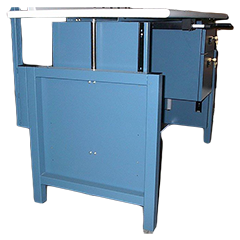

Industrial Workstation Safety: How to Reduce Workplace Hazards and Improve Operational Reliability

By WSI Team |   Nov 10, 2026, 7:15:00 AM

Industrial workstation safety depends on more than the strength of a workbench or the protective equipment employees wear. The way a workstation is configured, loaded, maintained, and used can influence the hazards employees encounter throughout a production shift.

Read More

| 0 Comments Read More

Industrial Workstation Ergonomics: How to Reduce Fatigue and Improve Operator Productivity

By WSI Team |   Nov 2, 2026, 7:15:00 AM

Industrial workstation ergonomics plays an important role in how comfortably and efficiently employees perform manufacturing, assembly, inspection, and other repetitive tasks. When workstations are poorly configured, employees may spend hours reaching for materials, bending over work surfaces, twisting to access equipment, or maintaining uncomfortable working positions.

Read More

| 0 Comments Read More

Industrial Workstation Layout Design: How to Improve Workflow, Efficiency, and Space Utilization

By WSI Team |   Oct 19, 2026, 7:15:00 AM

An industrial workstation can have the right equipment, adequate load capacity, and a durable work surface and still create problems if its layout does not support the work being performed. Poor workstation design can lead to unnecessary movement, crowded work areas, inconsistent production processes, and wasted floor space.

Read More

| 0 Comments Read More

Industrial Workstation Accessories: How to Configure a More Efficient Work Area

By WSI Team |   Oct 12, 2026, 7:15:00 AM

An industrial workstation is only as effective as the way it is configured. A durable frame and appropriately selected work surface provide the foundation, but the accessories surrounding that surface often determine how efficiently employees can complete their work.

Read More

| 0 Comments Read More

Heavy-Duty Industrial Workstations: How to Choose the Right Capacity and Configuration

By WSI Team |   Oct 5, 2026, 7:15:00 AM

Heavy-duty industrial workstations are built for environments where ordinary workbenches are no longer enough. Large assemblies, machinery components, tooling, test equipment, fixtures, and concentrated loads can place significant demands on a workstation throughout every shift.

Read More

| 0 Comments Read More

Industrial Workstation Materials: How to Choose the Right Frame and Work Surface

By WSI Team |   Sep 21, 2026, 7:15:00 AM

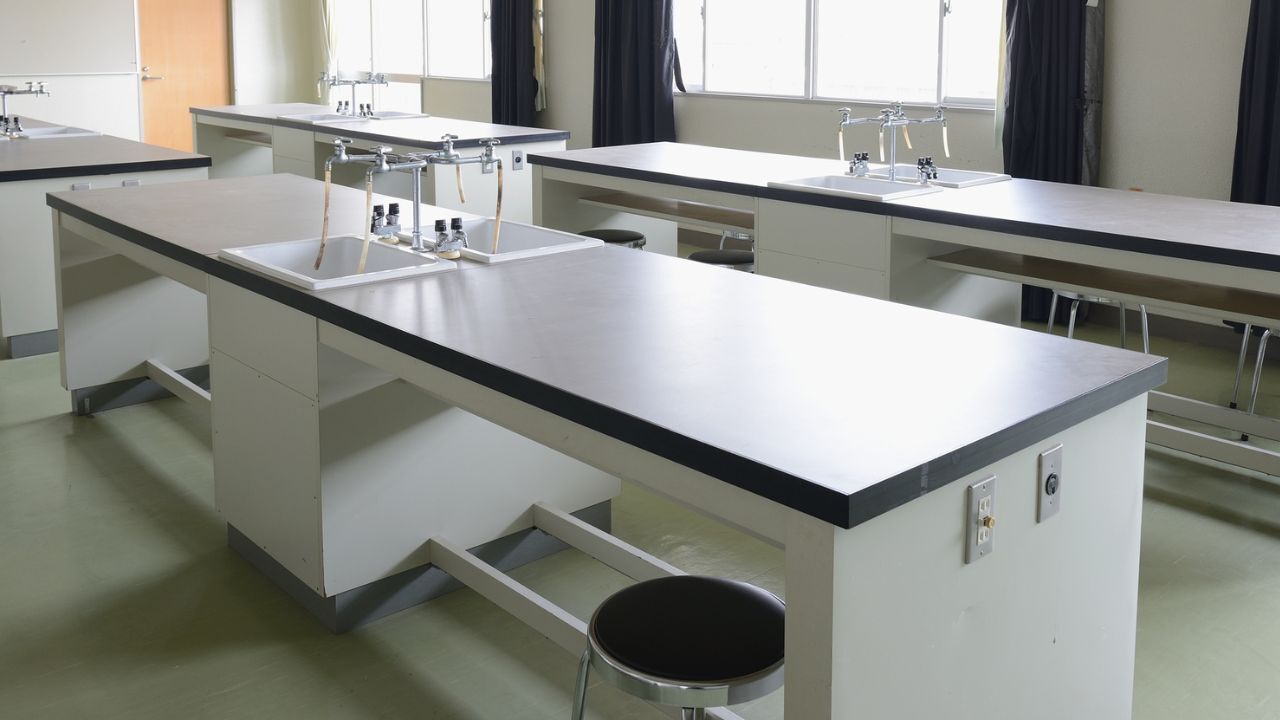
Industrial workstations are used in environments that place very different demands on their construction. A workbench supporting heavy mechanical assemblies may require substantial structural capacity, while a laboratory workstation may need chemical resistance, easy cleaning, and compatibility with specialized equipment.

Read More

| 0 Comments Read More

Industrial Workstation Customization: How to Design a Workbench Around Your Workflow

By WSI Team |   Sep 14, 2026, 7:15:00 AM

Standard industrial workbenches can support a wide range of manufacturing, assembly, laboratory, and maintenance applications. However, not every operation fits neatly into a standard workstation configuration. Specialized equipment, unusual product dimensions, repetitive assembly procedures, and limited floor space can create requirements that off-the-shelf workstations do not fully address.

Read More

| 0 Comments Read More

Industrial Workstation Maintenance: How to Extend Equipment Life and Prevent Downtime

By WSI Team |   Sep 7, 2026, 7:15:00 AM

Industrial workstations are designed to withstand demanding manufacturing, assembly, laboratory, and maintenance environments. However, even durable workstations require periodic inspection and maintenance to continue operating safely and efficiently.

Read More

| 0 Comments Read More

Adjustable-Height Industrial Workstations: When and Why They Improve Productivity

By WSI Team |   Aug 18, 2026, 7:15:00 AM

Adjustable-height industrial workstations are often discussed as an ergonomic upgrade, but their value extends well beyond operator comfort. In manufacturing, assembly, inspection, electronics, laboratory, and packaging environments, the ability to change working height can influence productivity, accuracy, fatigue, and how easily a workstation accommodates different employees and tasks.

Read More

| 0 Comments Read More

Aluminum T-Slot Workstations: Why Modular Framing Has Become the Standard for Modern Manufacturing

By WSI Team |   Aug 10, 2026, 7:15:00 AM

Manufacturing environments rarely remain static. New product lines, changing production volumes, automation projects, and continuous improvement initiatives all place new demands on workstation layouts. As a result, many manufacturers are replacing fixed workstations with aluminum T-slot workstation systems that can adapt as operations evolve.

Read More

| 0 Comments Read More

    All Blog Posts

    Subscribe to Email Updates